CARBS Policy Lab

Welcome to the Chaudhry Abdul Rehman Business School (CARBS) Policy Lab! As Pakistan’s first entrepreneurial business school, we are dedicated to shaping the nation’s economic and social landscape. The Policy Lab serves as a centralized repository for our policy research and analysis, designed to inform and empower policymakers across Pakistan.

Latest Policy Papers

Improving Healthcare Efficiency and Reducing Waiting Times in Hospitals through Public-Private Partnership

This policy brief proposes a Public–Private Partnership (PPP) model to address severe overcrowding and long waiting times in Lahore’s public hospitals. Public facilities operate beyond capacity, with bed occupancy often exceeding 120%, while many trust-based private hospitals remain underutilized, operating at nearly 70–75% capacity. The proposed model aims to integrate


Read More →

Inequality in the Health Care System in Pakistan

Healthcare inequality continues to be a widespread problem in Pakistan, which creates severe disadvantages for people in rural areas, together with women and those from lower income brackets. The 1973 Constitution, through Article 38(d), establishes universal healthcare rights, but the country faces healthcare inequalities because of its fragmented system and

Read More →

The Policy for Financial Sustainability in Higher Education: Post 18th Amendment Scenario

This policy paper explores the financial sustainability challenges faced by Pakistan’s public sector higher education institutions (HEIs) following the 18th Constitutional Amendment, which devolved education to provincial governments. It highlights the severe budget deficits, declining research output, and overreliance on government funding. Drawing on global best practices, the paper proposes

Read More →

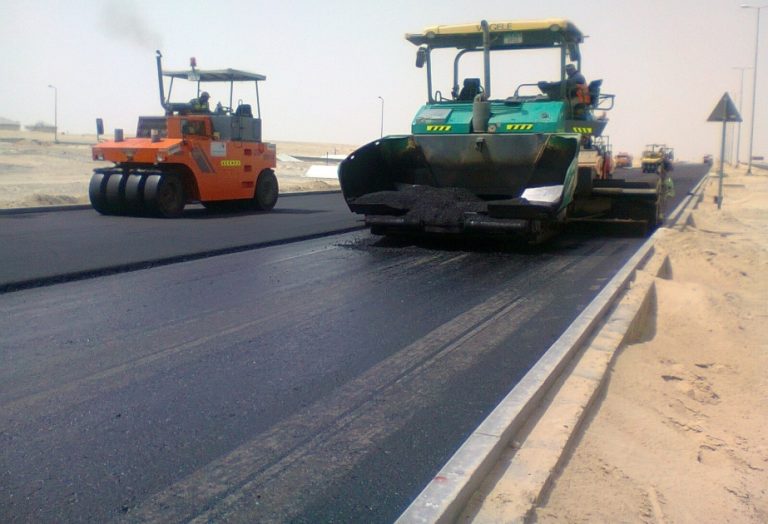
Addressing Road-Level Planning Challenges in Pakistan for a Sustainable Future

This policy brief addresses Pakistan’s chronic road-level planning issues, including inconsistent elevations, poor inter-agency coordination, and lack of standardized benchmarks. These challenges contribute to urban flooding, infrastructure deterioration, and rising public health concerns due to stagnant water and poor drainage. The brief emphasizes the need for a centralized authority to

Read More →

Entrepreneurial Education and Women’s Startup Intentions in Pakistan

The policy paper highlights the urgent need to integrate entrepreneurship education into Pakistan’s matriculation-level curriculum. It argues that the current education system is heavily focused on rote learning and traditional subjects, which limits students’ creativity, critical thinking, and readiness for the modern job market. With over 60% of Pakistan’s population

Read More →

Developing Entrepreneurial Mindsets in Pakistani Schools at Matric Level

Entrepreneurial education at Pakistan’s matriculation level, emphasizing its role in fostering economic growth and innovation. Currently, the education system prioritizes rote learning over practical skills, limiting students’ ability to develop entrepreneurial mindsets. This lack of exposure to business and innovation results in a workforce focused on traditional employment rather than

Read More →

Addressing Rising Pharmaceutical Costs in Pakistan

The escalating cost of pharmaceuticals in Pakistan has placed essential medications out of reach for many, particularly the economically vulnerable. Factors such as high inflation, low-income levels, and insufficient health insurance exacerbate this crisis. Patients frequently struggle to afford life-saving drugs, impacting their health and quality of life. To address

Read More →

China-Pakistan Economic Corridor: A Game Changer or an Illusion?

The China-Pakistan Economic Corridor (CPEC), part of China’s Belt and Road Initiative, aims to connect Xinjiang to the Arabian Sea via Pakistan, with investments of over $62 billion. CPEC focuses on energy, infrastructure, industrialization, and Gwadar Port, promising economic transformation through regional connectivity, job creation, and industrial growth. Energy projects

Read More →

Impact of Imported Goods on Pakistan’s Economy

The paper analyzes Pakistan’s reliance on imported goods and its implications for economic stability. Despite progress in exports, including textiles, leather goods, and agricultural products, the country faces a mounting trade deficit due to the high volume of imports like fuel, machinery, and raw materials. Rising import costs strain foreign

Read More →

Call For Policy Papers

Consortium on Evidence informed Policy for a Resilient Pakistan

The purpose of this Call for Policy Papers is to encourage evidence-informed policy research that addresses Pakistan’s key socio-economic, governance, and sustainability challenges. It aims to bridge research and policymaking by generating actionable insights for resilient and inclusive development.

POLICY DIALOGUE SESSION

Connecting Research, Policy, and Practice

The Policy Dialogue provides a platform to connect academic evidence with policy formulation and real world development, strengthening ties between research institutions and policymakers.

  • Research scholars, faculty members, and early career researchers/practitioners
  • Undergraduate students interested in public policy, governance, climate, and development
  • Promote applied research that connects academia with policy, SDGs, and climate governance
  • Strengthen research communication and motivate early- career researchers
  • Enhance understanding of research driven policy, SDGs, and evidence based planning
  • Strengthen academia policy links and promote community focused research

This event will be held on:

Panelists

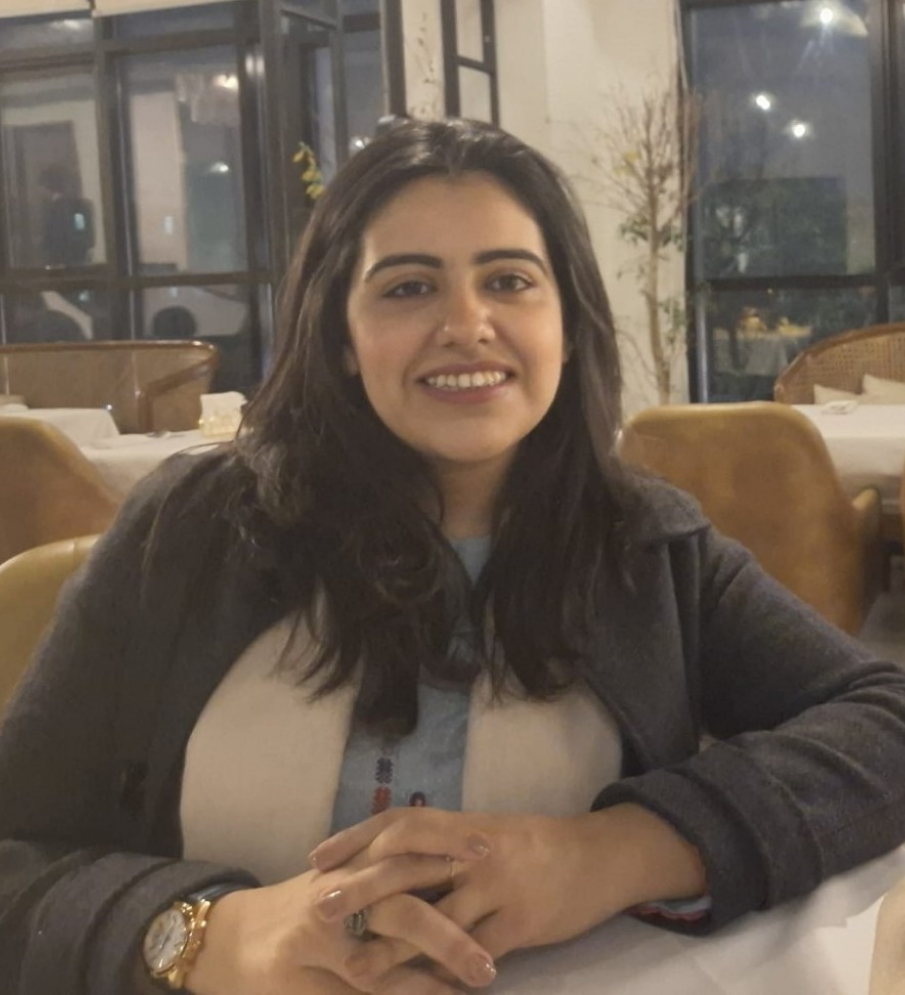
Dr. Mahwish Zafar

Moderator and Director CARBS policy Lab

Ms. Memoona Qazi

Research Analyst Punjab SDG Unit United Nations Developmenr Programme, Pakistan

Ms. Hira Fatima

Research Analyst Punjab SDG Unit United Nations Developmenr Programme, Pakistan

Testimonials

Disclaimer

The CARBS Policy Lab is an initiative of the Chaudhry Abdul Rehman Business School (CARBS), designed to contribute to informed policymaking through the publication of policy papers and working papers. These papers reflect the independent work and perspectives of their authors. While CARBS supports the dissemination of research and analysis, it does not assume responsibility for the accuracy of the facts, or the interpretations presented by the authors.

Contact Us

Dr. Mahwish Zafar
Associate Professor
Chaudhry Abdul Rehman Business School
[email protected]